The CEO of Kharazmi Information Technology Development Company, emphasizing the strategic role of technology in the transformation of the country's financial industry, said: 'The development of modern financial services – from digital banking and intelligent payments to remote services – will not be possible without relying on technological infrastructures, integrated data architecture, and an innovative approach to service design.
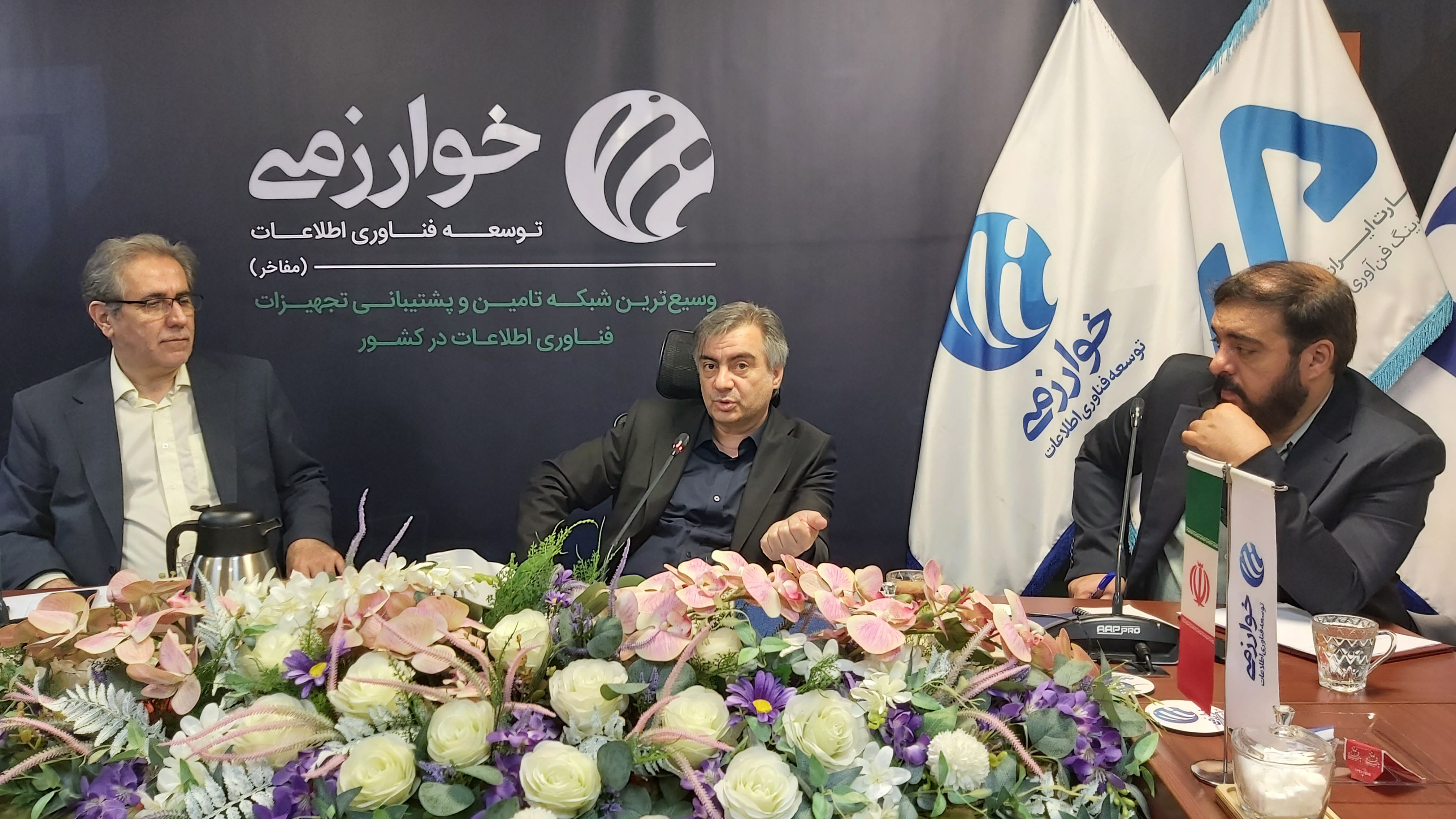
According to the Public Relations Department, Dr. Mohammad Taghi Saleh, CEO of Kharazmi Information Technology Development Company, referring to the accelerating trend of digital transformation in the banking and financial industry, stated: "Today, technology has become the most important driver of modern financial services development and has shifted the trajectory of banks and financial institutions from traditional service models toward intelligent, agile, and customer-centric patterns. The reality is that without effective utilization of technology, neither the development of digital banking makes sense, nor is it possible to provide fast, secure, and continuous services to customers."
He added: "Digital banking is essentially the product of a fundamental change in the way financial services are designed, delivered, and managed. In this model, the customer expects to receive banking services at any time, from any place, and with minimal in-person visits. Realizing such an expectation requires sustainable software and communication infrastructures, integrated systems, electronic authentication, information security, data analytics, and user-centric process design. From this perspective, technology is not a peripheral layer, but the main pillar of digital banking."
The CEO of Kharazmi Information Technology Development Company, stating that intelligent payment is one of the most important manifestations of technological transformation in the financial industry, clarified: "Today, payment is not merely a fund transfer, but is part of the customer's intelligent experience. The more payment tools move toward greater convenience, service personalization, higher security, and connection to other financial services, the more the efficiency of the payment system improves. Technology in this area has made it possible for payments to be conducted faster, more accurately, more securely, and more tailored to user needs, and this plays an important role in the development of the digital economy."
Saleh continued: "Remote services are also among the most important areas where the value creation of technology is clearly visible. In recent years, customer expectations have seriously changed, and frequent branch visits no longer meet society's needs. Today's customer demands easy access, quick responsiveness, and an uninterrupted experience in receiving services. Technology makes it possible for a significant portion of banking and financial services – from account opening and support services to payments, fund transfers, inquiries, and request management – to be conducted without physical presence and with a high level of assurance."
Referring to the extensive effects of this transformation on the structure of the financial industry, he said: "The development of modern financial services is not limited to increasing customer convenience, but also brings important consequences in enhancing productivity, reducing operational costs, improving transparency, reducing human errors, and strengthening oversight. The more services are offered on smarter and more integrated platforms, the greater the ability to control processes, track operations, analyze customer behavior, and optimize services."
The CEO of Kharazmi Information Technology Development Company noted: "In this path, what matters is not merely the use of new technologies, but the way they are purposefully employed. If technology is utilized within the framework of a coherent architecture, based on data, and accompanied by process redesign, it can create a real transformation in the financial industry. But if the view of technology is limited to the deployment of scattered tools and systems, the result will be nothing but increased complexity and reduced effectiveness."
Saleh, emphasizing the role of specialized information technology companies in this field, added: "Kharazmi Information Technology Development Company, understanding the modern transformations of the banking industry, strives to provide the necessary groundwork for enhancing the quality of financial and banking services by offering integrated technological solutions, supporting the development of digital services, strengthening intelligent infrastructures, and designing modern tools. In this approach, the main focus is on technology being placed in the service of improving customer experience, increasing organizational agility, and developing secure and reliable services."
He concluded by emphasizing: "The future of the financial industry is seriously tied to the technological maturity of its players. The sooner banks and financial companies can reinvent their services based on modern technologies, data-centricity, and remote and intelligent models, the greater their share in the future market will be. Undoubtedly, technology will not only be the tool for developing modern financial services, but also the main factor shaping the future of banking and payment in the country."