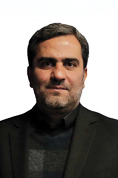
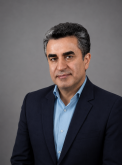
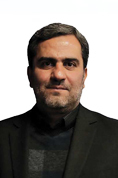
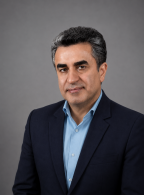
The CEO of Kharazmi Information Technology Development Company, referring to the necessity of increasing the resilience of the country's critical infrastructures, emphasized: 'A significant part of this company's strategy is dedicated to targeted localization, reducing dependence on foreign suppliers, and developing sustainable collaborations with domestic manufacturers and knowledge-based companies – an approach that simultaneously strengthens security, service stability, and business continuity in the field of digital banking.'
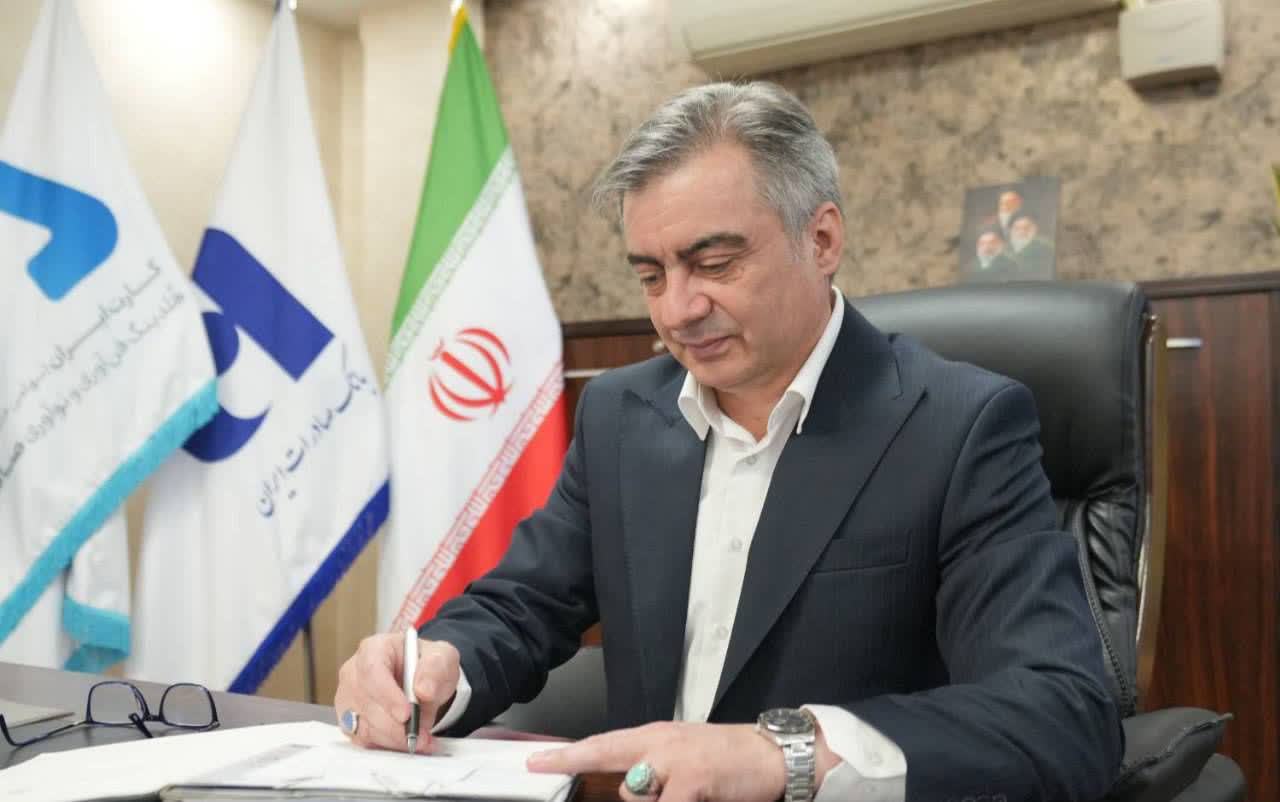
Dr. Mohammad Taghi Saleh, CEO of Kharazmi Information Technology Development Company, stated in this regard: "In the banking information technology industry, localization and reducing dependence are not merely an economic approach or a slogan; rather, they are directly tied to security, service stability, operational resilience, and service continuity. For this reason, a significant part of Kharazmi's strategy is dedicated to this matter."
He added: "We pursue localization on several levels. At the first level, we try to move toward technology and architecture options that have the capability of being supported, maintained, and developed domestically. This perspective reduces risks arising from supply constraints, sanctions, rising costs, and lack of after-sales services, and helps banks manage their critical services more sustainably."
The CEO of Kharazmi Information Technology Development Company, referring to the importance of the domestic supply chain, clarified: "Strengthening the domestic supply chain for us means establishing a sustainable cooperation network with domestic manufacturers, suppliers, and knowledge-based companies. Kharazmi tries to move toward long-term collaboration models instead of one-off purchases, so that both knowledge transfer is facilitated and domestic production and support capacity are enhanced."
Saleh continued: "At the same time, we are aware of the limitations. Some areas, especially in specialized equipment or highly advanced technologies, require time, investment, and industrial maturity. Therefore, our policy is phased and priority-based localization – meaning first focusing on areas that have the greatest impact on reducing risk, lowering total cost of ownership, and increasing resilience, and then gradually moving toward more complex areas."
He noted: "From an economic perspective as well, reducing foreign dependency creates a significant advantage; because foreign exchange costs, costs arising from supply delays, and costs due to lack of parts or support during crises can all damage the banking network and, at the national level, the country's economy. Every effective step in localization and strengthening the domestic supply chain means reducing hidden costs, increasing certainty in service continuity, and improving long-term planning for banks."
The CEO of Kharazmi Information Technology Development Company emphasized in conclusion: "Kharazmi's view of localization is a 'quality-oriented' view. We believe that localization is successful when, in addition to reducing dependency, it can maintain or improve the level of technical, security, and sustainability standards. Accordingly, our strategy is a combination of developing domestic capability, collaborating with knowledge-based capacities, precise technological choices, and supply chain risk management, so that ultimately the country's banking infrastructure becomes more resilient and reliable against external shocks.